
How to Take Down Unauthorized Photos Online: A Practical Guide Under Italian and EU Law
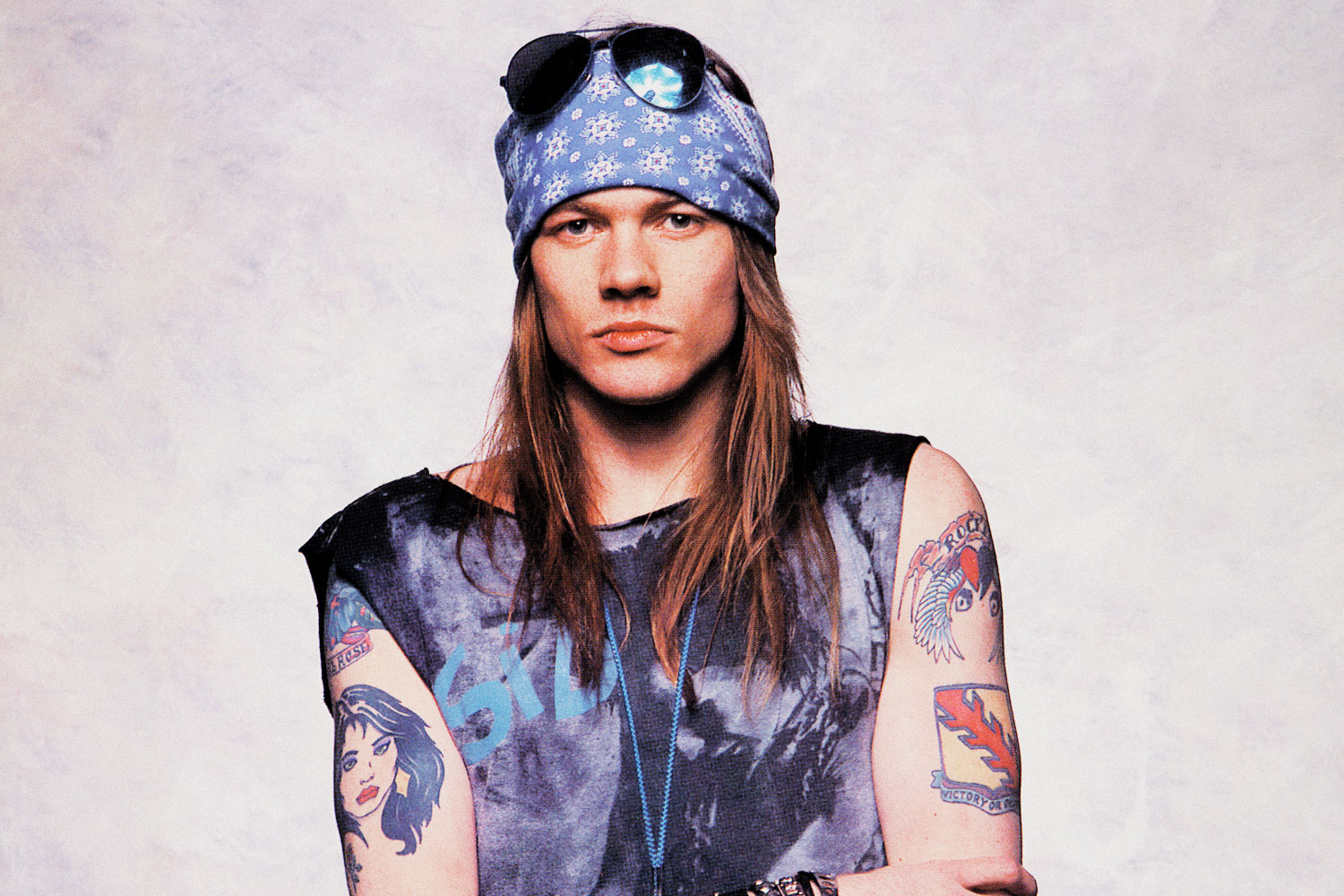
When unauthorized photos circulate online — copyright infringement of professional photography, unauthorised use of personal likeness, or deepfake/AI-generated misuse — Italian and EU law provides multiple takedown mechanisms. The famous 2016 attempt by Axl Rose to remove “fat Axl” meme photos through DMCA notices illustrated both the power and the limitations of takedown procedures: the artist asserted copyright through service company chain of title, but ultimately Google did not comply with all requests. The case raised the persistent question of when takedown actually works.
This guide explains the operational framework in Italy and the EU. For the broader platform liability framework, see our platform and intermediary liability guide. For image rights specifically, see our right to image guide.
In this guide
The legal bases for photo takedown
Photo takedown can be requested on multiple legal grounds, sometimes simultaneously:
- Copyright infringement: where the photo is a protected work (creative photograph under Article 2(7) LDA or simple photograph under Articles 87 ff. LDA) and used without authorisation;
- Image rights: under Articles 96-97 LDA and Article 10 Italian Civil Code, where an identifiable person’s image is used commercially without consent;
- GDPR (Regulation 2016/679): image is personal data, with takedown right under Article 17 (right to erasure) where processing is unlawful;
- Defamation: where the photo or its context damages reputation;
- AI/deepfake-specific protections: under Italian Law 132/2025 and EU AI Act Article 50;
- Press publishers right: DSM Directive Article 15 for news photographs.
Identifying the correct legal basis matters: different grounds engage different procedures, evidence requirements, and likely outcomes.
DSA notice-and-action procedure
The Digital Services Act (Regulation 2022/2065), fully applicable since 17 February 2024, established standardised notice-and-action mechanisms across all major online platforms operating in the EU. Key features:
- Accessible notification: platforms must provide easy-to-use mechanisms for reporting illegal content;
- Statement of reasons: platforms must provide detailed reasoning for content moderation decisions;
- Expeditious action: timely response required, with priority for very large online platforms (VLOPs);
- Appeals mechanism: both notice senders and content creators have appeals rights;
- Trusted flagger status: certain organisations receive priority notification treatment.
For Italian users, DSA notice-and-action provides a faster, more reliable framework than the previous patchwork of national procedures. Major platforms (Google, Meta, TikTok, X) operate dedicated DSA notification systems.
Platform-specific procedures
Beyond DSA, each major platform operates specific takedown mechanisms:
- Google: Removal Request through Google’s content removal portal; separate procedures for copyright (DMCA-style for US compliance), privacy (image rights), defamation, and personal information removal;
- Meta (Facebook, Instagram): Rights Manager for copyright; intellectual property infringement form; community standards reporting;
- TikTok: copyright complaint form; community guidelines reporting; trust and safety procedures;
- X (Twitter): copyright complaint form; private information violation reporting; impersonation procedures;
- Image-specific platforms: Pinterest, Tumblr, image-hosting services each have specific procedures.
The Axl Rose case illustrated a key practical point: chain of title documentation is critical. Even where the asserted right exists, the platform requires demonstration that the requestor holds the right. Where photographer agreements transfer copyright to a service company, those agreements must be produceable on demand.
Italian enforcement: AGCOM and courts
Where platform takedown fails or is insufficient, Italian framework provides:
- AGCOM administrative procedures: rapid response under Regulation 680/13/CONS and subsequent updates for online IP infringement;
- Italian Data Protection Authority (Garante): for GDPR-based image processing complaints;
- Italian specialised IP chambers: judicial enforcement, including urgent measures under Article 700 CPC;
- Article 700 CPC urgent injunction: rapid civil intervention where serious harm threatens;
- Articles 121-125 CPI: damages and account of profits where applicable.
For online image infringement involving identifiable Italian persons, coordinated multi-channel enforcement (platform + AGCOM + Garante + courts) is typically the most effective strategy.
Evidence and documentation
Successful takedown requires solid documentation:
- Copyright chain: photographer agreement, work-for-hire documentation, registered or registered-equivalent rights documentation;
- Original file: high-resolution original with embedded metadata where available;
- Image rights consent: where applicable, model releases or absence of consent documented;
- Screenshots with timestamps: documenting the unauthorised use with date/time/URL;
- Damage documentation: where damages are claimed, evidence of commercial impact;
- Prior contact attempts: documentation of any cease-and-desist or informal removal requests.
How DANDI supports photo takedown
DANDI.media supports photographers, talent, brands, and rights holders on photo takedown:
- Pre-takedown legal basis assessment;
- DSA notice drafting and platform liaison;
- Platform-specific procedure coordination;
- AGCOM and Garante complaint preparation;
- Urgent measures and civil enforcement;
- Chain of title documentation review;
- Cross-border enforcement coordination.
For consultation, book directly with Avv. Claudia Roggero or Avv. Donato Di Pelino.
Related guides
| Topic | Resource |
|---|---|
| Preventing Image Theft | /en/preventing-image-theft/ |
| Right to Image: Protect Your Likeness | /en/right-to-image-how-to-protect-your-likeness-online-and-offline/ |
| Image Release and Consent | /en/privacy-rights-release/ |
| Platform and Intermediary Liability | /en/sony-doctrine-secondary-liability/ |
| Media Literacy Compliance (DSA) | /en/medialiteracy/ |
| Trademark Enforcement Remedies | /en/taking-advantage/ |
Dandi Law Firm provides legal assistance in several Practice Areas. Check out our Services or contact Us!