
Brand Identity Legal Protection: The IP Toolkit for Italian and European Brands
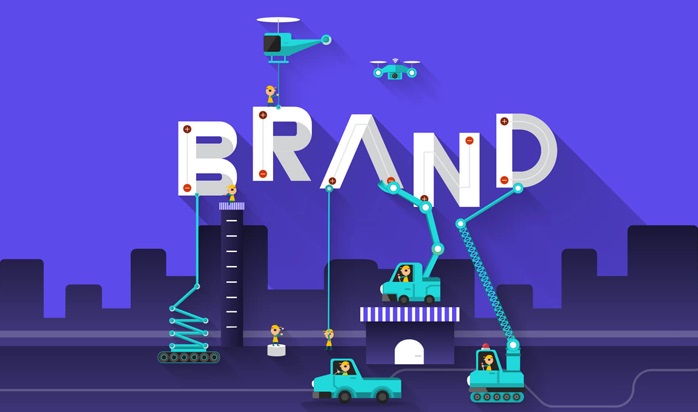
Brand identity — the total proposition a company makes to consumers, encompassing logo, name, visual elements, slogans, packaging, and the overall brand experience — is the most valuable intangible asset of most modern businesses. It is also not protected by a single legal instrument. Effective brand identity protection requires combining several IP frameworks: trademark law, copyright law on logos and creative elements, design rights for visual elements, trade dress and unfair competition protection for the overall look-and-feel, and increasingly AI-specific protections against unauthorised brand cloning.
This guide explains the legal toolkit available to Italian and European brand owners, with attention to how the different protections work together. For the broader copyright framework, see our master pillar guide to copyright law in Italy and Europe.
In this guide
- Brand identity, corporate identity, brand image: the conceptual distinction
- Trademark: the foundation
- Copyright on logos and creative elements
- Design rights for visual elements
- Trade dress and unfair competition
- Domain names and digital identifiers
- AI cloning and brand identity
- How DANDI supports brand owners
Brand identity, corporate identity, brand image: the conceptual distinction
Before addressing legal protection, the conceptual framework matters:
- Corporate identity: the visual aspects of a company’s presence — logo, design, signage, collateral materials. Corporate identity exercises typically modernise the visual image without changing brand values;
- Brand identity: the total proposition a company makes to consumers — the promise. It includes features, attributes, benefits, performance, quality, service, and values. The brand is product, personality, values, and positioning;
- Brand image: the totality of consumer perceptions, which may diverge from the brand identity the company intended.
From a legal perspective, different elements within these categories require different protection strategies. A logo is best protected as a trademark and possibly as copyright. A distinctive packaging shape may be protected as a design right or trade dress. The brand “values” themselves are not legally protected — but the specific elements communicating those values are.
Trademark: the foundation
Trademark law is the foundation of brand identity protection. Under Regulation 2017/1001 on the European Union trade mark (EUTMR) and the Italian Industrial Property Code (D.Lgs. 30/2005), registered trademarks protect:
- Word marks: brand names, product names, slogans;
- Figurative marks: logos, distinctive graphic elements;
- Combined word + figurative marks: typical brand combinations;
- Shape marks: distinctive product or packaging shapes (subject to specific requirements);
- Position marks, pattern marks, colour marks: emerging categories with specific requirements;
- Sound, motion, and multimedia marks: relevant for audiovisual brand elements.
Trademark registration provides exclusive rights for an initial 10-year term, renewable indefinitely. Genuine use requirements apply — see our Lambretta trademark case study. Trademarks must be enforced actively to maintain distinctiveness — see our parodying fashion labels guide and our Yoko Ono case study.
Copyright on logos and creative elements
Where logos and graphic elements rise to the level of creative works under Article 2 of the Italian Copyright Act (LDA), they receive additional copyright protection. Specifically:
- Article 2 paragraph 4 LDA: protects works of figurative art, design, and graphic works that meet the creative threshold;
- Copyright protection arises automatically from creation (no formalities required);
- Duration is life of the author plus 70 years — substantially longer than trademark protection requires renewal;
- Copyright protects against unauthorised reproduction even where the use is not as a trademark (e.g., decorative use of a copyrighted logo).
The dual protection — trademark + copyright — is particularly valuable for distinctive logos. Trademark protection addresses commercial confusion; copyright protection addresses unauthorised reproduction more broadly. For the originality threshold, see our idea/expression dichotomy guide.
Design rights for visual elements
For distinctive visual elements of products and packaging, design rights provide a separate protection track:
- EU Regulation 6/2002 on Community Designs: provides EU-wide registered (RCD) and unregistered (UCD) design protection;
- Italian Industrial Property Code (D.Lgs. 30/2005): provides Italian national design registration;
- Registered Community Design: protects new and individually-characterised designs for up to 25 years (5-year terms, renewable);
- Unregistered Community Design: provides automatic 3-year protection from first disclosure within the EU.
Design rights are particularly relevant for fashion, product packaging, vehicle design, electronic device design, and other industries where visual product appearance is commercially critical. The Lambretta scooter shape, the Vespa silhouette, the iconic Ferrari profiles — these distinctive shapes engage design rights alongside trademark and trade dress protections.
Trade dress and unfair competition
Beyond formal registrations, Italian law provides protection through unfair competition doctrine:
- Article 2598 of the Italian Civil Code: prohibits use of names, signs, or distinctive features confusingly similar to those legitimately used by others;
- Protects against slavish imitation of products and packaging, even without trademark or design right registration;
- Provides remedies for parasitic competition, where one business deliberately mimics another’s commercial appearance.
The Italian unfair competition framework is particularly valuable for protecting unregistered brand elements — distinctive packaging, store layouts, advertising styles, brand-distinctive customer experiences — that may not qualify for formal registration but are commercially important.
Domain names and digital identifiers
Modern brand identity extends to digital identifiers:
- Domain names: subject to ICANN Uniform Domain Name Dispute Resolution Policy (UDRP) and EU-level mechanisms (Eurid for .eu domains);
- Social media handles: protected through platform-specific policies and underlying trademark rights;
- App store listings: subject to Apple/Google policies plus trademark rights;
- NFT and Web3 identifiers: emerging area with mixed legal frameworks.
For Italian brand owners with international digital presence, coordinated registration and enforcement across these channels is essential.
AI cloning and brand identity
The 2024-2026 emergence of AI-generated content adds new dimensions to brand identity protection:
- AI-generated logos and brand elements: under DSM Directive Articles 3-4, commercial AI training on brand materials is permitted unless rights holders opt out;
- AI-cloned brand identity: AI products that generate “in the style of” famous brands raise trademark dilution, unfair competition, and EU AI Act transparency questions;
- Deepfake brand imagery: AI-generated imagery using brand elements in unauthorised contexts engages multiple IP frameworks simultaneously;
- EU AI Act transparency (Regulation 2024/1689): requires labelling of AI-generated commercial content;
- Italian Law 132/2025: adds national-specific AI provisions including brand and identity protections.
Modern brand protection strategy increasingly includes:
- AI training opt-out (technical and contractual mechanisms);
- Monitoring for AI-generated brand cloning;
- Cease-and-desist programmes against AI-generated brand misuse;
- Brand voice and identity AI clauses in marketing and content contracts.
For deeper analysis of AI implications, see our guides on AI photography and OpenAI Sora.
How DANDI supports brand owners
DANDI.media supports Italian and international brand owners on comprehensive IP protection:
- Trademark portfolio management: registration, renewal, monitoring, enforcement at EUIPO and UIBM levels;
- Copyright protection: for distinctive logo and creative elements;
- Design rights strategy: registered and unregistered community designs;
- Trade dress and unfair competition: enforcement under Article 2598 c.c. framework;
- Domain name protection: UDRP and similar proceedings;
- AI compliance: opt-out implementation, monitoring, enforcement against AI brand cloning;
- Brand audit: comprehensive review of brand portfolio across IP frameworks;
- Cross-border enforcement: coordinated EU and Italian enforcement strategies.
For consultation, book directly with Avv. Claudia Roggero or Avv. Donato Di Pelino.
Related guides
| Topic | Resource |
|---|---|
| Copyright Law in Italy and Europe (master pillar) | /en/copyright-law-italy-europe/ |
| Lambretta Trademark Case (genuine use) | /en/trade-mark-lambretta/ |
| Yoko Ono v. John Lemon (posthumous trademark) | /en/yoko-ono-sues-john-lemon/ |
| Parodying Fashion Labels | /en/parodying-fashion-labels/ |
| Trade Secrets in Italy | /en/trade-secrets-in-italy/ |
| AI Photography (Eldagsen) | /en/ai-artificial-intelligence-photography/ |
| OpenAI Sora (AI legal issues) | /en/openai-sora-shut-down/ |
| Idea/Expression Dichotomy | /en/idea-expression-dichotomy/ |
Dandi Law Firm provides legal assistance in several Practice Areas. Check out our Services or contact Us!