
Movie Poster Usage Rights: Copyright, Talent Contracts, and AI-Generated Posters Under Italian and EU Law
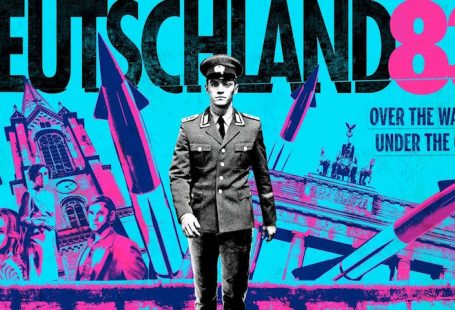
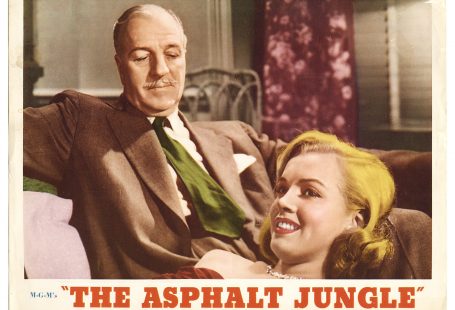
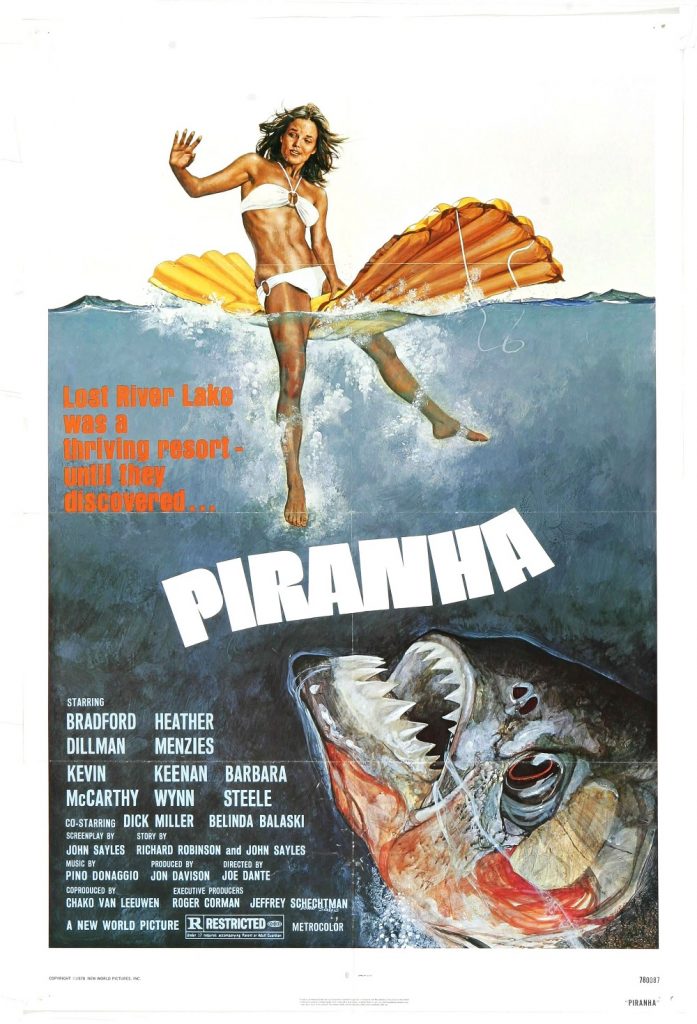
The movie poster — the most public face of a film campaign — sits at the intersection of multiple intellectual property regimes. Copyright in the poster artwork itself, photographic rights for any photo elements, talent contract clauses governing how actors must be depicted, trademark protection of the film title, and increasingly the regulatory framework around AI-generated promotional materials. For Italian producers, distributors, and marketing agencies, structuring poster rights correctly is essential — both for theatrical campaigns and for the digital marketing materials that have largely replaced traditional poster distribution.
This guide explains the layered legal framework for movie posters in Italy. For the broader film IP framework, see our film production IP challenges guide. For clearance procedures, see our clearing copyrighted material guide.
In this guide
Copyright in the movie poster
The movie poster is a creative work protected by copyright under Article 2 of the Italian Copyright Act (LDA), falling under graphic and figurative arts when it meets the creative threshold. The poster is typically created as commissioned advertising work — meaning the producer or distributor commissions the design from a poster design studio, photographer, or marketing agency.
Under Italian law, the producer typically acquires economic rights to the poster through Article 110 LDA (written transfer requirement) and the agency or designer retains moral rights (attribution). Without a properly drafted commissioning agreement, the designer retains economic rights by default — a common but expensive mistake. Key provisions in poster commissioning contracts:
- Specific transfer of economic rights to the producer, with detailed scope (theatrical, digital, social media, merchandising, derivative works);
- Territory and duration of rights (typically worldwide, perpetual);
- Modification rights to allow adaptation across formats and territories;
- Buyout structure or royalty arrangement;
- Attribution rights for the designer.
Photographic and visual element rights
Where the poster incorporates photographs (typically of the cast, often from production stills or dedicated photo shoots), separate photographic rights apply under Articles 87-92 LDA:
- Creative photographs (Article 2 paragraph 7 LDA): full copyright protection, 70 years post mortem auctoris;
- Simple photographs (Articles 87 ff. LDA): 70 years from production following Italian Law 182/2025 reform;
- Production stills: typically commissioned by the production company with rights vested through unit photographer agreements;
- Editorial photographs: licensed from photo agencies (Getty, Associated Press) with specific scope;
- Performer image rights: Articles 96-97 LDA require the depicted actors’ consent for commercial use.
For comprehensive photography rights, see our guides on preventing image theft and the right to image framework.
Talent contract clauses
Talent contracts (actor and director agreements) typically include detailed provisions on poster representation:
- Billing position: order of credit for lead actors, with specific position requirements (above the title, first position, last position with “and”);
- Size requirements: minimum size of actor’s name and image relative to other elements;
- Equal sizing: for ensemble casts, contractual requirements that all leads appear at the same size — a frequent constraint on poster design;
- Image approval: actor approval rights over which images may be used, with limited turnaround time for approval/rejection;
- Use limitations: restrictions on poster use beyond the film’s promotion (no commercial endorsement spillover);
- Photo selection: pre-approved photograph pools for poster use;
- Modification consent: scope of permitted digital modifications (retouching, AI enhancement, deaging).
For Italian productions, talent contract clauses must comply with Article 110 LDA written form requirement and Articles 20-24 LDA moral rights protections. The mandatory AI clause under Article 7 paragraph 6 D.I. MiC-MEF 225/2024 applies to productions accessing Italian tax credit — see our tax credit guide.
Title trademark
Movie titles can be protected as trademarks where they meet distinctiveness requirements. For franchise films, sequel and remake rights, and merchandising programmes, trademark protection of the title is essential:
- EU trademark registration: through EUIPO for EU-wide protection (Reg. 2017/1001);
- Italian national registration: through UIBM (D.Lgs. 30/2005);
- Classes: typically Class 9 (audiovisual media), Class 16 (printed materials), Class 41 (entertainment services), Class 25 (clothing for merchandising);
- Distinctiveness: descriptive titles cannot be registered; suggestive or arbitrary titles can;
- Reputation protection: famous film titles benefit from Article 8(5) EUTMR reputation protection — see our taking unfair advantage guide.
AI-generated movie posters
AI-generated posters are now common across major releases and indie productions. Legal framework:
- EU AI Act (Reg. 2024/1689) Article 50: synthetic content must be labelled as artificially generated;
- Italian Law 132/2025: national-specific AI provisions for synthetic content;
- Copyright in AI output: protection depends on substantial human creative contribution — purely AI-generated posters may lack copyright protection;
- Training data liability: AI tools trained on copyrighted artwork may produce derivative outputs creating infringement exposure;
- Talent image protection: AI-generated images of identifiable actors require consent regardless of how the image was created.
For Italian productions using AI tools in poster development, comprehensive documentation of AI tool use, training data sources, and human creative input is essential.
Posthumous use of deceased actors
The use of deceased actors’ images on posters (and increasingly through AI-generated content) raises specific issues:
- Article 97 LDA: image rights extend to consent of heirs for commercial use after death;
- Article 32-bis LDA: moral rights protections continue post-mortem with heir enforcement;
- Personality rights: Italian Civil Code and Italian Law 132/2025 provide ongoing protections;
- Estate negotiations: major deceased actors’ estates negotiate substantial control terms over image use.
How DANDI supports producers and distributors
DANDI.media supports Italian producers, distributors, marketing agencies, and design studios on movie poster legal structuring:
- Poster commissioning agreements with rights transfer;
- Photographic clearance and unit photographer agreements;
- Talent contract poster clauses (billing, size, image approval);
- AI clause integration and synthetic content compliance;
- Title trademark filings and protection;
- Posthumous and estate consent negotiation;
- International distribution rights clearance.
For consultation, book directly with Avv. Claudia Roggero or Avv. Donato Di Pelino.
Related guides
| Topic | Resource |
|---|---|
| Film Production IP Challenges | /en/film-production-intellectual-property-challenges/ |
| Clearing Copyrighted Material | /en/clearing-copyrighted-material/ |
| Option Agreement for Film Rights | /en/option-agreement/ |
| Moral Rights in Film | /en/moral-rights-film/ |
| Right to Image | /en/right-to-image-how-to-protect-your-likeness-online-and-offline/ |
| Italian Film Tax Credits (AI clause) | /en/italy-film-tax-credits/ |
| Trademark Enforcement Remedies | /en/taking-advantage/ |
Dandi Law Firm provides legal assistance in several Practice Areas. Check out our Services or contact Us!